
Rottnest Island Quokkas
Also known as: Rotto Quokkas
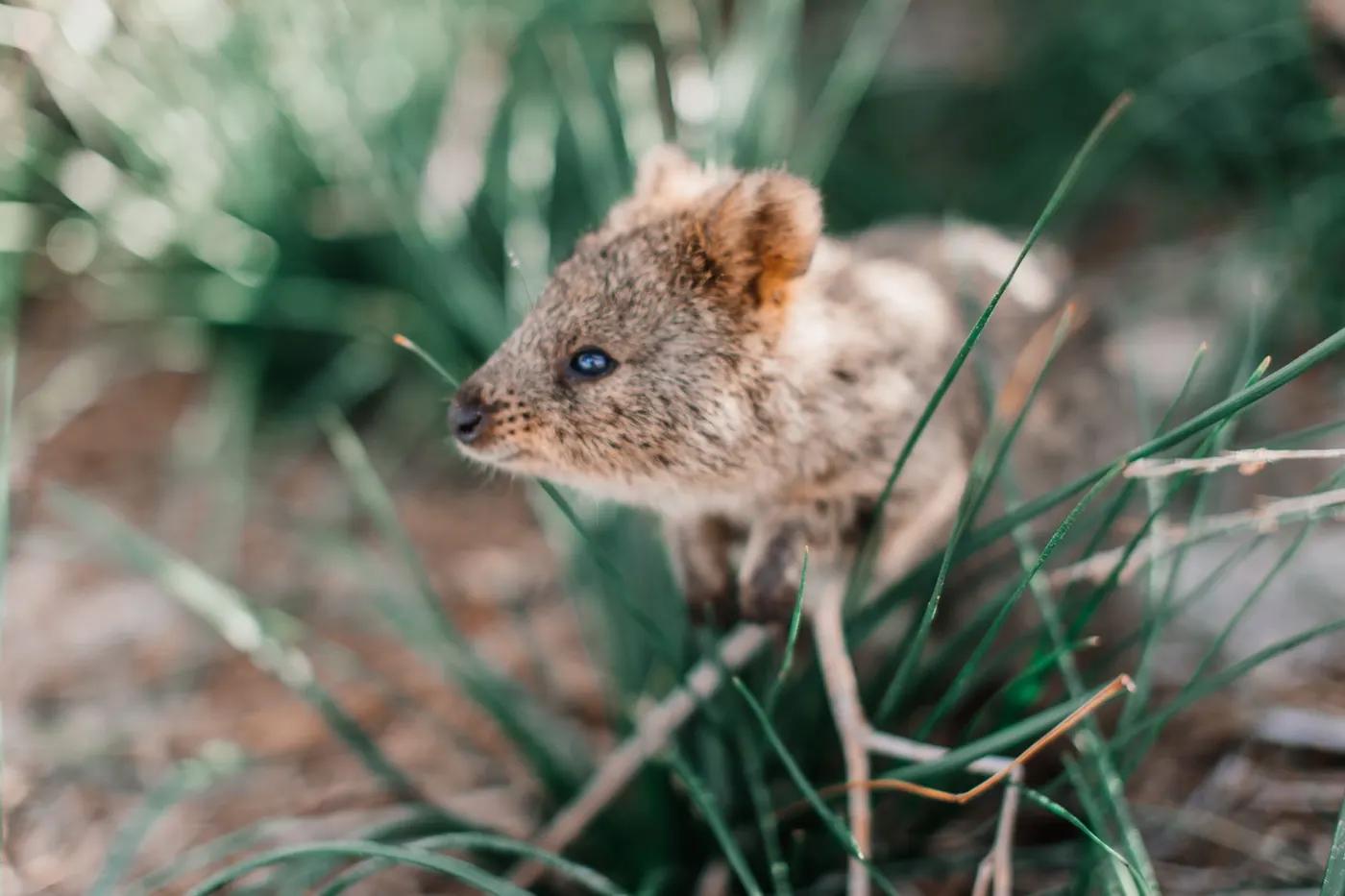
Car-free island home to the famously photogenic quokka
The encounter
Species / spectacle: Quokka (Setonix brachyurus), a threatened small wallaby famous for the quokka selfie; also birds, reptiles and seasonal marine life offshore.
How you see it: trek
Typical duration: A few minutes per encounter within a typical half-day to full-day island visit; quokkas are seen throughout the settlement and trails.
When to go
Year-round quokka sightings. Spring and autumn offer mild weather; summer is peak visitor season but hot.
Very high year-round, particularly around the Thomson Bay settlement where quokkas are habituated to people.
Best time of day: Quokkas are most active around dawn and dusk though seen all day near the settlement. Early ferries maximise island time before evening returns.
Whale migration offshore in winter and spring; wildflowers in spring; seasonal snorkelling and swimming in warmer months.
Sightings are seasonal probabilities, not promises - even in peak season nature does its own thing.
Who it suits
Difficulty (1-5): 1 (light)
Physical demand: Low - flat to gently undulating walking or cycling. Quokkas near the settlement need little effort; wider exploration involves more distance.
Accessibility & group fit: Settlement paths are easy and family-friendly; cycling covers more ground. Suits all ages, solo travellers and groups.
Options for a mixed group: Independent visiting with no fixed group; families and groups roam at their own pace. Bus and small-group guided tours available for those wanting structure.
Permits & responsible travel
Regulation / permits / fees: Managed under the Rottnest Island Regulations and Biodiversity Conservation Act; touching or feeding quokkas is illegal with on-the-spot fines and possible larger penalties. Island admission fee is bundled into ferry fares. Fees (Confirm.)
Guide / crew: No guide required for quokka viewing; optional guided bus or walking tours available. Rangers patrol and enforce wildlife protection.
Do not touch, feed or chase quokkas - human food and unfamiliar scent can sicken them and cause mothers to abandon young. Photograph from a low crouch without contact; ranger patrols enforce rules.
Permits, fees and quotas change - confirm before booking.
Safety & hazards
Do not handle quokkas; watch for heat and dehydration when cycling. Fines apply for interfering with wildlife.
Weather / conditions: Strong sun and heat in summer; wind and limited shade on exposed trails. Sun protection and water advised.
Nursing post and ranger services on island; serious cases evacuated to Perth mainland hospitals. (Confirm.)
Getting there & staying
Access logistics: Ferries run from Fremantle (about 25 minutes), Perth Barrack Street (up to about 90 minutes) and Hillarys (about 45 minutes). No private cars on the island - walk, cycle or use the island bus.
Accommodation / camping: On-island lodging, cabins, glamping and a campground at the Thomson Bay area; day trips are common. Book well ahead in the December to February peak. (Confirm.)
Gear / water / connectivity: Bring sun protection, water and comfortable shoes; bike hire available on island. Mobile coverage is generally good near the settlement. (Confirm.)
Facilities: Visitor centre, shops, cafes, bakery, toilets, bike and snorkel hire and a settlement precinct at Thomson Bay.
Crowds / solitude: Busy in summer and on weekends near the settlement; quieter on the western end and midweek off-peak.
Operators & guiding
Nearby operators / hubs: Perth and Fremantle are the mainland hubs; Rottnest Express, SeaLink and Rottnest Fast Ferries provide access, plus island bike and tour operators.
Guided trips / outfitters: Ferry-plus-admission and ferry-plus-bus day-tour packages sold by ferry operators; island guided walks and bus tours available. (Confirm.)
Operators change - confirm current licensing before you book.
Live conditions & sources
Recent sightings and today's conditions are a runtime layer - check the sources: Rottnest Island Authority wildlife pages and ferry operator sites; WA news reporting on fines. See URLs below.
This profile is desk research, compiled from public sources - not a first-hand wildlife report. Coordinates are approximate.