

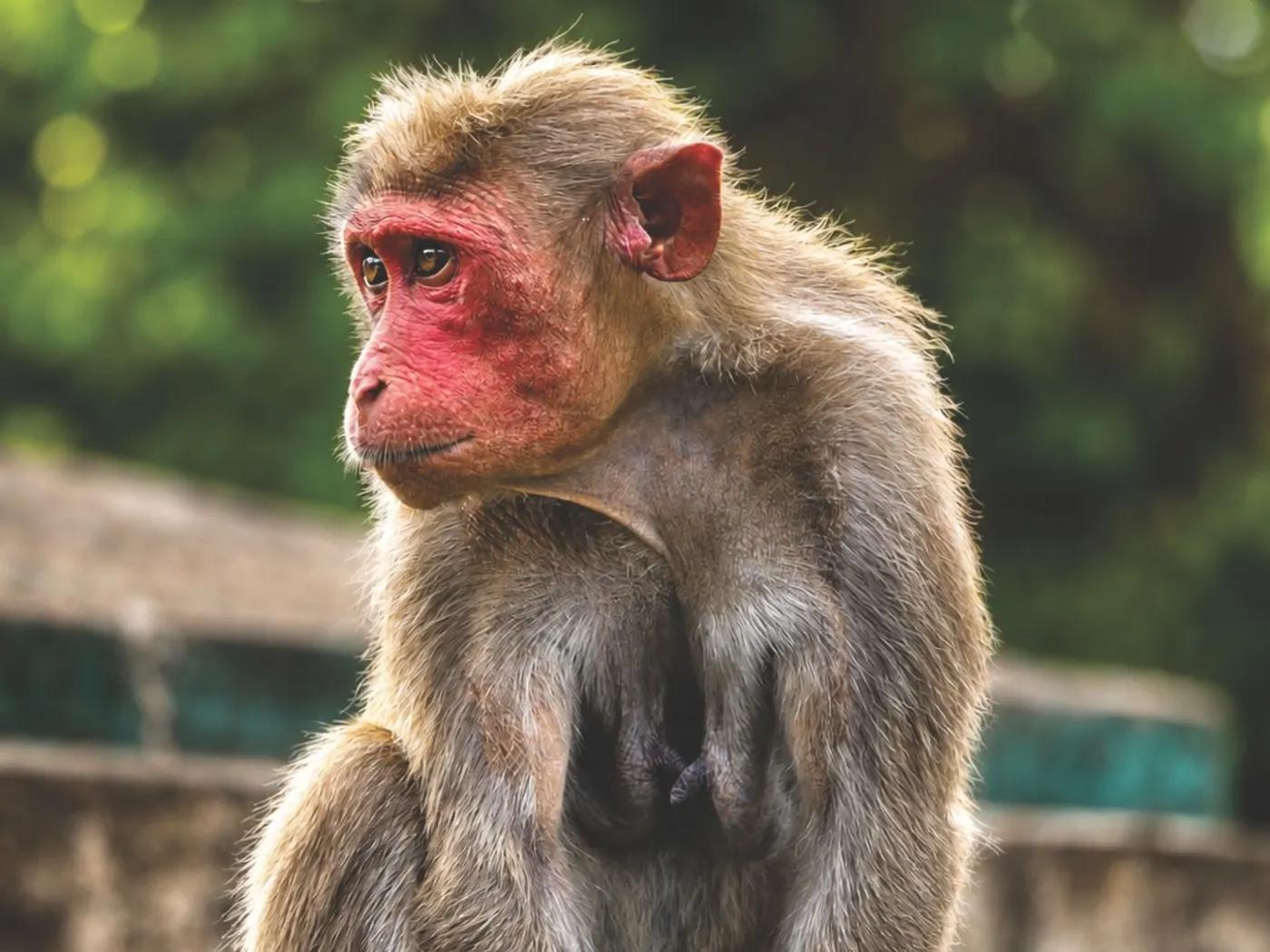
Semenggoh Nature Reserve
Also known as: Semenggoh Wildlife Centre
Semi-wild orangutans return to feeding platforms outside Kuching
The encounter
Species / spectacle: Semi-wild Bornean orangutans, including mothers with young, feeding at platforms; incidental birds and other forest wildlife. Sightings not guaranteed.
How you see it: trek
Typical duration: About 1.5-2.5 hours around a feeding session, including walk-in, ranger briefing and viewing.
When to go
Year-round; sightings drop during the forest fruiting season when orangutans find wild food and skip feedings. Drier months ease access.
Higher outside the main fruiting season; during fruiting months orangutans may not appear for days. Ask staff on arrival. (Confirm.)
Best time of day: Morning feeding around 09:00 and afternoon feeding around 15:00; arrive at least 30 minutes early for the briefing and a good spot.
Fruiting-season abundance means healthier but less visible apes; occasional births add mothers with infants to sightings.
Sightings are seasonal probabilities, not promises - even in peak season nature does its own thing.
Who it suits
Difficulty (1-5): 1 (light)
Physical demand: Short, mostly gentle walk from the entrance to the feeding platform on a maintained path. Minimal exertion required.
Accessibility & group fit: Well suited to families and older visitors; the access path is relatively easy though not fully step-free. Fixed viewing area keeps crowds orderly.
Options for a mixed group: Visitors move together for the ranger briefing and viewing window; no formal splitting needed given the short format. (Confirm.)
Permits & responsible travel
Regulation / permits / fees: Entry around RM10 for foreign adults and RM5 for Malaysians, with reduced child rates; open roughly 08:00-10:00 and 14:00-16:00. Fees and hours volatile (Confirm.).
Guide / crew: On-site rangers give the safety briefing and manage feedings; a private guide is optional. Many visit on Kuching orangutan tours.
Keep distance, stay quiet, no flash photography and no food; follow ranger instructions strictly as these are wild-strength animals. Do not block their paths.
Permits, fees and quotas change - confirm before booking.
Safety & hazards
Orangutans are powerful and unpredictable, especially dominant males and mothers; keep well back and never approach. Slippery paths after rain.
Weather / conditions: Rain can deter orangutans and make paths slippery; heat and humidity otherwise. Viewing is open-air.
Rangers on site; Kuching hospitals within driving distance for serious cases. (Confirm.)
Getting there & staying
Access logistics: About a 40-60 minute drive from Kuching by car, taxi or tour; no direct public transport to the gate. Timed around feeding sessions. (Confirm.)
Accommodation / camping: No visitor lodging at the reserve; stay in Kuching. Day-visit only.
Gear / water / connectivity: Bring water, insect repellent and rain gear; mobile coverage generally available near the entrance. Carry cash for entry.
Facilities: Ticket counter, toilets, small information area and marked path to the platform. Limited on-site amenities.
Crowds / solitude: Feeding sessions can be crowded, especially with tour groups; arriving early helps. Quieter on weekdays. (Confirm.)
Operators & guiding
Nearby operators / hubs: Kuching is the hub; numerous Kuching operators run half-day orangutan tours. (Confirm.)
Guided trips / outfitters: Kuching-based tour companies offer Semenggoh feeding-session trips, often combined with other sites. Verify current schedules.
Operators change - confirm current licensing before you book.
Live conditions & sources
Recent sightings and today's conditions are a runtime layer - check the sources: Sarawak Forestry Corporation reserve; official Semenggoh visitor information; supporting travel guides. Primary-source-based.
This profile is desk research, compiled from public sources - not a first-hand wildlife report. Coordinates are approximate.