
Otago Peninsula Yellow-Eyed Penguins
Also known as: Hoiho Viewing
Rare endemic hoiho come ashore to coastal scrub nests, watched from hides
The encounter
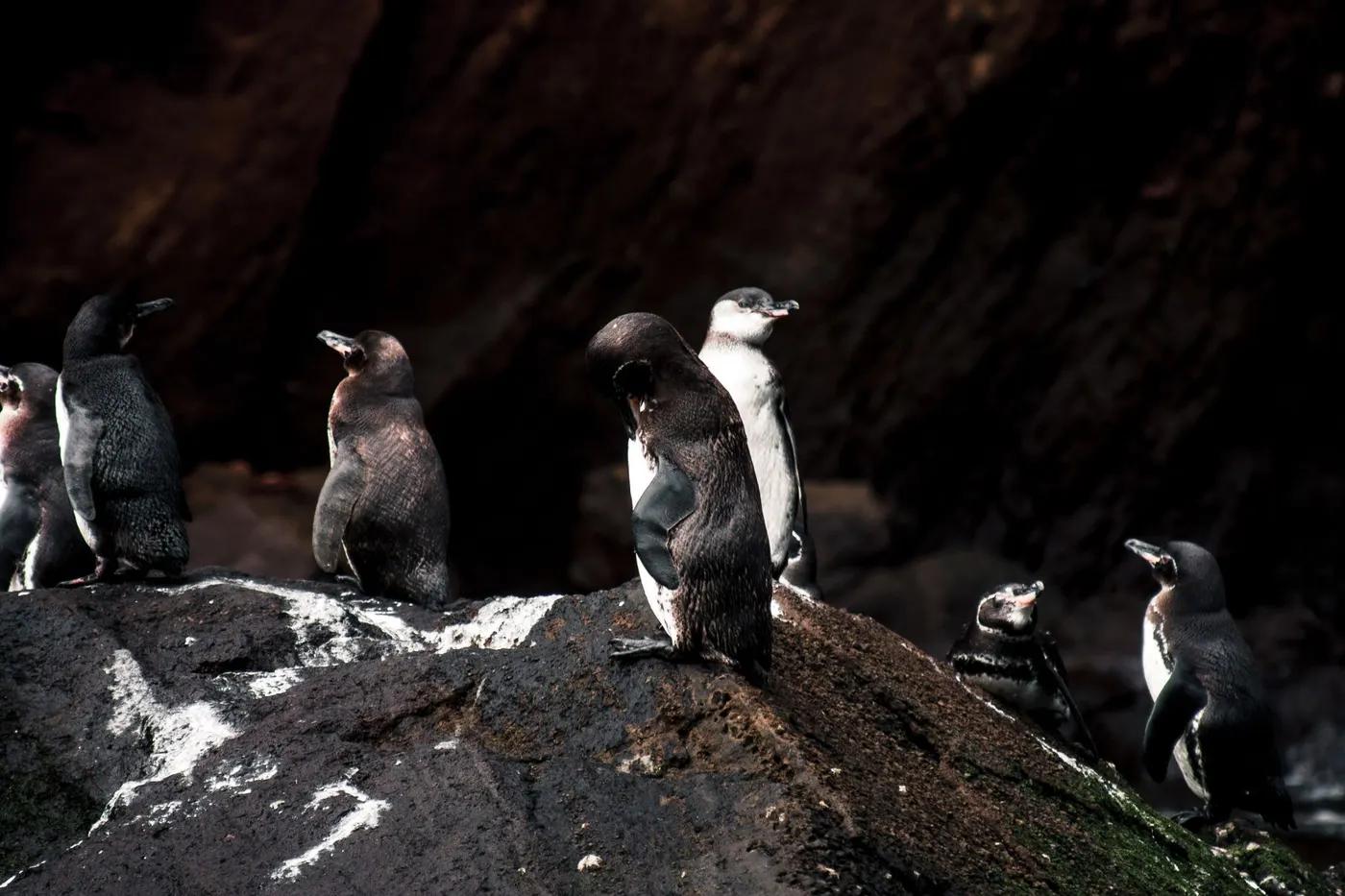
Species / spectacle: Yellow-eyed penguin (hoiho), one of the world-s rarest penguins and critically threatened. Little penguins, fur seals and sea lions may also be seen on peninsula beaches.
How you see it: hide
Typical duration: The OPERA guided reserve tour runs about 90 minutes covering roughly 2 km, including a short bus transfer to the hides.
When to go
Hoiho ashore year-round; most active moult and chick-rearing in the warmer months. Adults come ashore to nests late afternoon most of the year.
Generally reliable via the managed reserve hides across months, though numbers are declining and never guaranteed in the wild. Wild DOC sites less certain (Confirm.).
Best time of day: Late afternoon to dusk, roughly mid-afternoon until dark, as adults return from sea to nests. Tours are timed accordingly.
Chick-rearing and the annual moult concentrate birds ashore; guided commentary explains the breeding cycle and rehabilitation work.
Sightings are seasonal probabilities, not promises - even in peak season nature does its own thing.
Who it suits
Difficulty (1-5): 2 (moderate)
Physical demand: Walking on farm tracks and through covered trench hides at The OPERA; wild DOC sites like Sandfly Bay involve steep sand-dune descents. Moderate footing.
Accessibility & group fit: The OPERA tour involves uneven ground and hide tunnels, limiting full wheelchair access (Confirm.). Better for able walkers; small guided groups.
Options for a mixed group: Tours run in timed guided groups; larger parties split across departures. Bookings recommended in peak season.
Permits & responsible travel
Regulation / permits / fees: The OPERA is ticketed guided access on private land; adult roughly low-to-mid two-figure NZD with child and family rates (Confirm.). Wild DOC sites free but require hide etiquette.
Guide / crew: Guide required at The OPERA reserve; at DOC public sites viewing is self-guided from hides with strict distance rules.
Hoiho are critically endangered and highly disturbance-sensitive - view only from hides, keep back, stay quiet and never block their path from sea to nest. Reserve tour funds predator control, habitat and rehab.
Permits, fees and quotas change - confirm before booking.
Safety & hazards
Steep dunes and cliffs at wild sites, fur seals and sea lions on beaches can be aggressive - keep well clear. Do not approach penguins.
Weather / conditions: Exposed coastal farmland and dunes; wind, rain, cold and slippery ground. Steep loose sand at wild sites.
Staffed reserve; nearest hospital Dunedin. NZ emergency number 111.
Getting there & staying
Access logistics: About 30-45 minutes drive from Dunedin along the peninsula; on-site car park with short bus transfer at The OPERA. Combo tours available.
Accommodation / camping: Accommodation in Dunedin and peninsula settlements; no camping at the reserve. Book ahead in summer.
Gear / water / connectivity: Warm windproof clothing and sturdy footwear; binoculars useful. Cameras allowed at The OPERA hides but flash and disturbance discouraged (Confirm.).
Facilities: The OPERA has a visitor building, toilets, shop and on-site penguin rehabilitation hospital; DOC sites minimal facilities.
Crowds / solitude: The OPERA is a managed ticketed experience with set group sizes; wild DOC hides can be quieter but still popular at dusk.
Operators & guiding
Nearby operators / hubs: Hub Dunedin; The OPERA (formerly Penguin Place), Monarch Wildlife Cruises, Royal Albatross Centre, Yellow-eyed Penguin Trust.
Guided trips / outfitters: The OPERA / Penguin Place guided reserve tours; Otago Peninsula wildlife tour operators; Yellow-eyed Penguin Trust public viewing guidance.
Operators change - confirm current licensing before you book.
Live conditions & sources
Recent sightings and today's conditions are a runtime layer - check the sources: Yellow-eyed Penguin Trust; The OPERA / Penguin Place; DOC; newzealand.com. https://www.yellow-eyedpenguin.org.nz/penguins/hoiho-conservation/public-viewing/
This profile is desk research, compiled from public sources - not a first-hand wildlife report. Coordinates are approximate.