

Khao Yai National Park
Also known as: Khao Yai NP
UNESCO forest with white-handed gibbons, great hornbills and spotlit night-safari mammals
The encounter
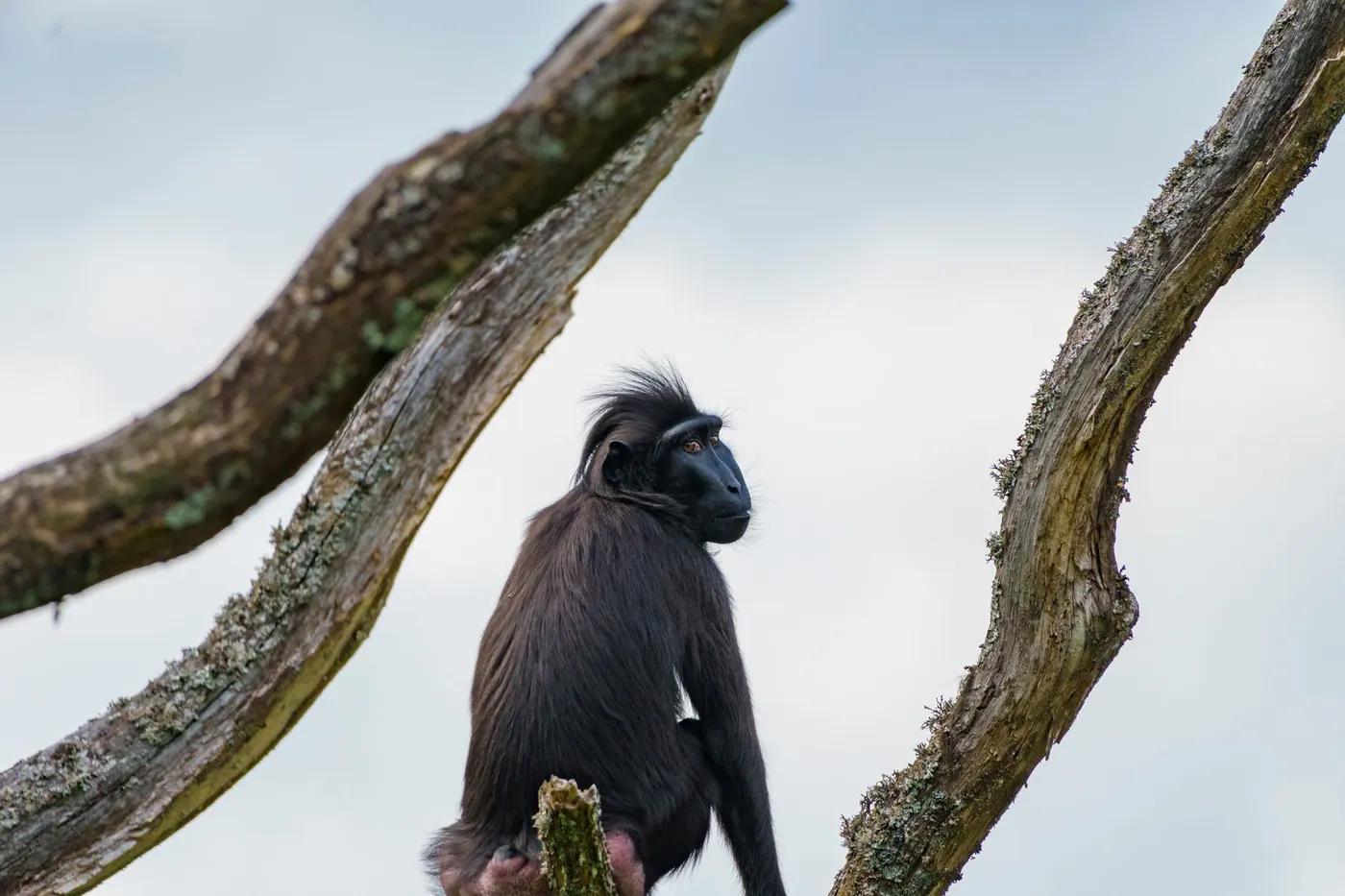
Species / spectacle: White-handed and pileated gibbons, great and oriental pied hornbills, wild elephants, sambar deer, civets and macaques; night safaris target nocturnal mammals. One of the largest hornbill populations in Thailand.
How you see it: drive/night safari
Typical duration: A full-day visit is typical; multi-day stays suit serious wildlife watchers.
When to go
Cool-dry November to February is best for comfort and wildlife; the hot season stays cooler at altitude.
Hornbills and gibbons are reliable year-round near the visitor centre; mammals are easier in the dry cool months when vegetation thins.
Best time of day: Early morning and late afternoon for gibbons and hornbills; booked night safaris depart around 7pm and 8pm.
Strong-flowing waterfalls in the rainy season and verdant forest from June to September.
Sightings are seasonal probabilities, not promises - even in peak season nature does its own thing.
Who it suits
Difficulty (1-5): 2 (moderate)
Physical demand: Ranges from easy roadside viewing to moderate jungle trails with leeches and river crossings. Some trails require a park guide.
Accessibility & group fit: Main viewpoints and the visitor centre are reachable by car, though forest trails are not. Good for families and groups.
Options for a mixed group: Self-drive, private and shared safari or tour groups; night-safari trucks carry groups of visitors.
Permits & responsible travel
Regulation / permits / fees: DNP entry about 400 THB foreign adult and 200 THB child; night safari booked at the visitor centre before 6pm for an additional fee (Confirm.).
Guide / crew: Rangers or guides are required for some trails and for night safaris; guides are recommended for wildlife spotting.
Do not feed wildlife, especially macaques, keep a safe distance from elephants, and stay on marked trails. Night safaris should avoid harassing animals with spotlights.
Permits, fees and quotas change - confirm before booking.
Safety & hazards
Wild elephants on park roads can be dangerous; also leeches, slippery paths and aggressive macaques. Drive slowly and give elephants space.
Weather / conditions: Rainy-season leeches, slippery trails and afternoon storms. Heat and humidity year-round at lower elevations.
Park rangers and first aid on site; hospitals in Pak Chong. National emergency 191, tourist police 1155.
Getting there & staying
Access logistics: Nearest hub is Pak Chong; the park is about 2.5 to 3 hours from Bangkok by road, with northern and southern gates.
Accommodation / camping: Park campgrounds and bungalows inside; abundant resorts and guesthouses around Pak Chong.
Gear / water / connectivity: Leech socks, sturdy shoes, rain gear, binoculars and water are advised; carry your own supplies. Signal is patchy inside the park.
Facilities: Visitor centre, campgrounds, toilets, cafes, viewpoints and marked trails.
Crowds / solitude: Busy on weekends and holidays near waterfalls and viewpoints; forest trails are quieter.
Operators & guiding
Nearby operators / hubs: Pak Chong hub; Greenleaf and other local Khao Yai tour and night-safari operators.
Guided trips / outfitters: Numerous Pak Chong-based wildlife and night-safari outfitters.
Operators change - confirm current licensing before you book.
Live conditions & sources
Recent sightings and today's conditions are a runtime layer - check the sources: whc.unesco.org; thainationalparks.com; tourismthailand.org.
This profile is desk research, compiled from public sources - not a first-hand wildlife report. Coordinates are approximate.