

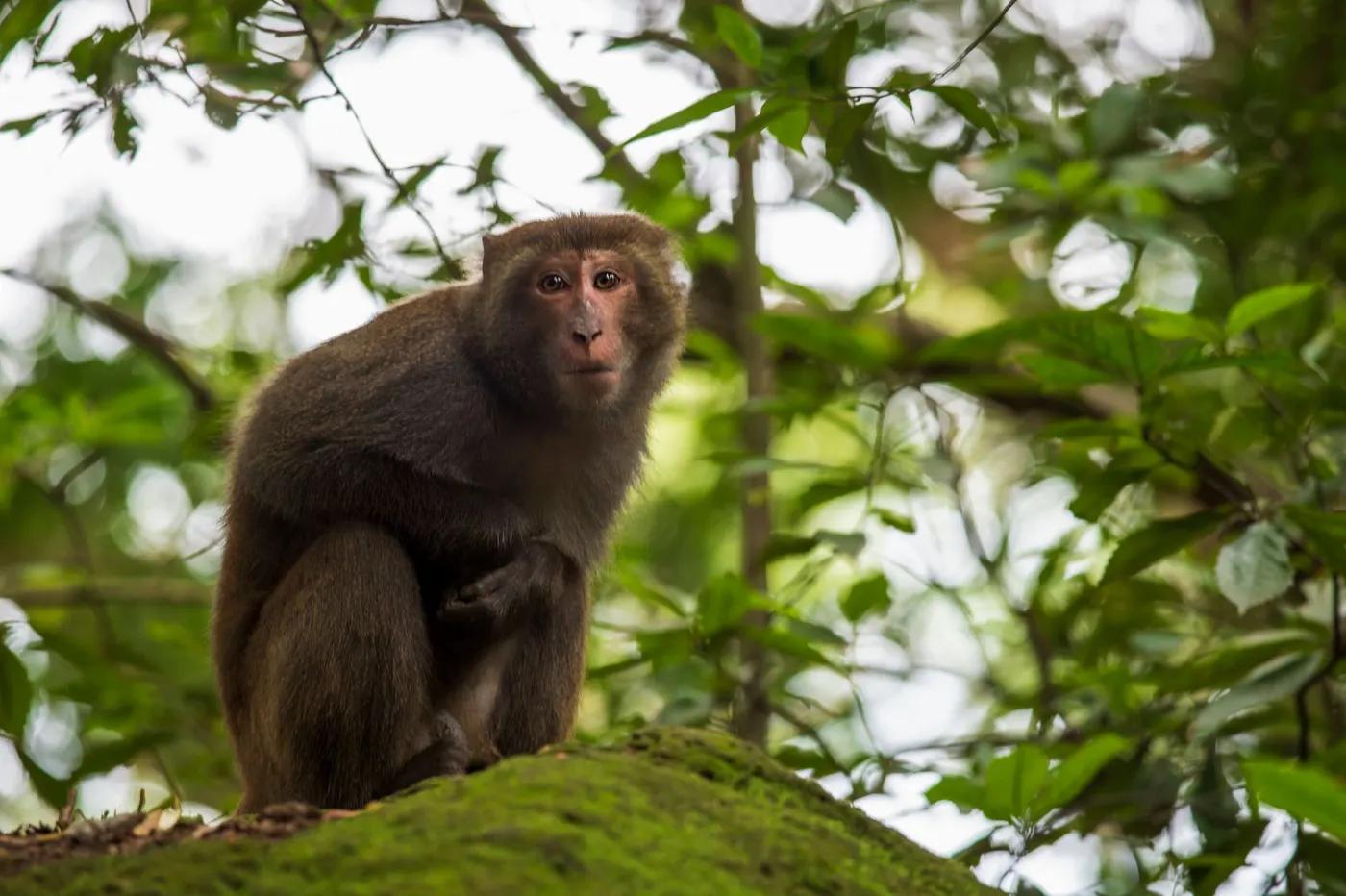
Bohol Tarsier Sanctuary
Also known as: Corella Tarsiers
Best ethical viewing of the tiny nocturnal Philippine tarsier in a protected sanctuary
The encounter
Species / spectacle: Philippine tarsier (Carlito syrichta), a tiny nocturnal primate with the largest eye-to-body ratio of any mammal. Forest birds and native flora also present along the trail.
How you see it: hide/walk
Typical duration: Short visit of roughly 30-45 minutes including the guided walk. Combined countryside day tours allocate about 30 minutes here.
When to go
Year-round; tarsiers are resident and viewable on any day the sanctuary is open. Dry months are more comfortable for the countryside drive.
High and consistent every month as animals rest in the sanctuary by day (Confirm.). Individuals may shift roosts, so exact positions vary daily.
Best time of day: Arrive right after opening in the morning to avoid tour-bus crowds and midday heat. Tarsiers are nocturnal, so daytime visits show them resting quietly.
Sightings are seasonal probabilities, not promises - even in peak season nature does its own thing.
Who it suits
Difficulty (1-5): 1 (light)
Physical demand: Flat, short, well-maintained forest paths with minimal elevation. Suitable for most fitness levels and short attention spans.
Accessibility & group fit: Family-friendly and accessible to older visitors and children; strollers and wheelchairs are limited by natural trail surfaces. Good fit for casual travellers and school groups.
Options for a mixed group: Visitors are led in small guided clusters to reduce noise and stress on the animals. Larger tour parties are staggered along the trail.
Permits & responsible travel
Regulation / permits / fees: Managed by the Philippine Tarsier Foundation; entrance fee about PHP 150 with discounts for students, seniors and PWD (Confirm.). Strict rules: no touching, no flash, no loud voices, and only guides interact with the animals.
Guide / crew: A foundation guide accompanies every group and points out camouflaged tarsiers. Independent wandering off-trail is not permitted.
Choose this foundation sanctuary over exploitative roadside operators that keep tarsiers in cramped cages or handle them for photos, as stress and flash can drive self-harm in this fragile species. Keep voices low, disable flash, and do not linger over any single animal.
Permits, fees and quotas change - confirm before booking.
Safety & hazards
Stay on paths and keep quiet to avoid stressing the animals; slippery trails after rain. The main risk is inadvertent wildlife disturbance rather than personal danger.
Weather / conditions: Low risk; heavy rain can make trails slippery and muddy. Otherwise a sheltered, low-exposure inland site.
Basic first aid at the site; nearest hospitals and clinics are in Tagbilaran City, a short drive away.
Getting there & staying
Access logistics: About 14 km and roughly 20-30 minutes by car or tricycle from Tagbilaran City; reachable from Panglao and Loboc. Public jeepneys serve Corella but run on irregular schedules.
Accommodation / camping: No lodging on site; base in Tagbilaran, Panglao or the Loboc river area. Day-trip access only.
Gear / water / connectivity: No special gear needed beyond a camera with flash disabled and water. Mobile coverage is generally available; bring cash for fees and the shop.
Facilities: Parking, ticketing, souvenir shop, restrooms and interpretive signage at the entrance area.
Crowds / solitude: Can get busy at midday when countryside tour buses arrive. Early morning offers quieter, more respectful viewing.
Operators & guiding
Nearby operators / hubs: Commonly bundled with Chocolate Hills, Loboc River cruise and Baclayon church on Bohol countryside tours. Hubs at Corella, Loboc, Tagbilaran and Panglao.
Guided trips / outfitters: Numerous Bohol countryside day-tour operators from Tagbilaran and Panglao include the sanctuary. Book operators that use the foundation site, not roadside cages.
Operators change - confirm current licensing before you book.
Live conditions & sources
Recent sightings and today's conditions are a runtime layer - check the sources: Philippine Tarsier Foundation (tarsierfoundation.com); Corella LGU tourism (tourism.bohol.gov.ph); IUCN Red List Carlito syrichta. Secondary travel guides for logistics.
This profile is desk research, compiled from public sources - not a first-hand wildlife report. Coordinates are approximate.