

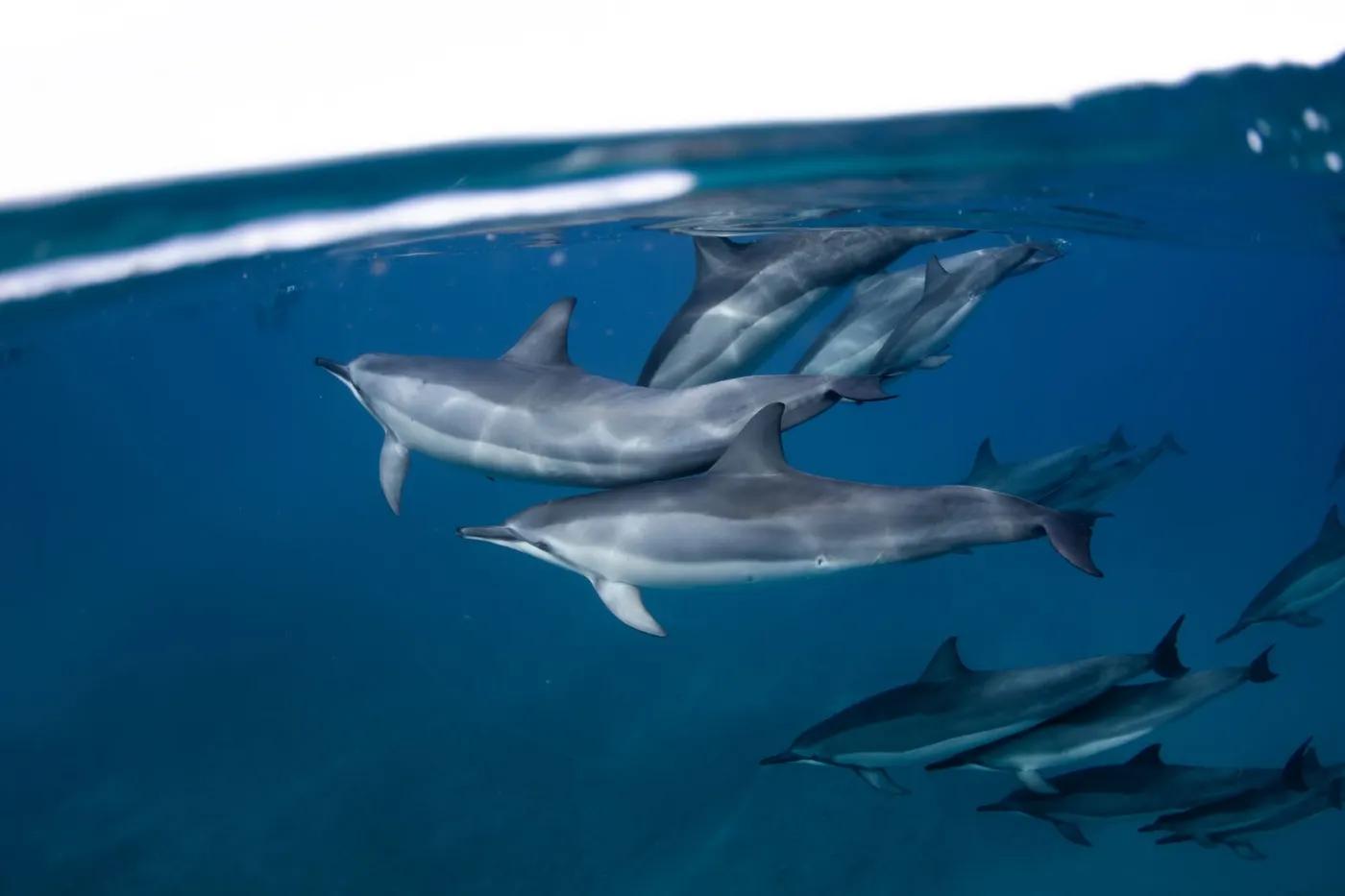
Atauro Island Cetaceans and Reefs
Also known as: Atauro, Wetar Strait whales
Deep-water strait with migrating blue whales, dolphin super-pods and superb reefs
The encounter
Species / spectacle: Pygmy blue whales, sperm, melon-headed and pilot whales and large pods of dolphins migrating through the Wetar Strait, plus some of the world richest reef-fish diversity on Atauro reefs.
How you see it: boat/dive/snorkel
Typical duration: Cetacean boat trips of several hours to a full day; diving and snorkelling as day or multi-day stays.
When to go
Whale migration peaks roughly Oct-Dec; diving visibility is good much of the year including drier months.
High for cetaceans during the Oct-Dec migration window; lower but still possible other months (Confirm.).
Best time of day: Morning departures for calmer seas and better light on the strait.
Peak migration can bring blue and sperm whales alongside pods of hundreds of dolphins.
Sightings are seasonal probabilities, not promises - even in peak season nature does its own thing.
Who it suits
Difficulty (1-5): 2 (light)
Physical demand: Open-water boat travel that can be rough; diving and snorkelling need swimming ability and, for dives, certification and fitness.
Accessibility & group fit: Whale watching suits most who tolerate boat motion; diving requires certified divers. Mixed groups can combine watching and snorkelling.
Options for a mixed group: Dive boats and watching boats carry limited numbers; large groups split by activity and certification.
Permits & responsible travel
Regulation / permits / fees: Trips and dives arranged through Atauro and Dili operators and community tourism; fees paid to operators (Confirm.).
Guide / crew: Licensed boat crews and dive guides required; certified divemasters for diving.
Choose responsible whale-watching operators that keep distance and avoid chasing, follow reef-safe and no-touch diving practice and support Atauro community tourism.
Permits, fees and quotas change - confirm before booking.
Safety & hazards
Open-water crossings, currents, sun and standard diving risks including decompression; go with reputable operators. Cetacean sightings are wild and not guaranteed.
Weather / conditions: Open-strait swell, wind and sun; wet-season squalls can disrupt crossings though visibility often holds.
Limited on Atauro; serious cases evacuate to Dili. No local recompression chamber - dive conservatively.
Getting there & staying
Access logistics: Cross from Dili to Atauro by public ferry or fast boat, then reach dive resorts and villages by local transport; watching trips depart from Dili or Atauro.
Accommodation / camping: Dive resorts, eco-lodges and community homestays on Atauro; hotels in Dili.
Gear / water / connectivity: Bring sun protection, water and snorkel or dive gear if not renting; connectivity limited on Atauro.
Facilities: Dive resorts, eco-lodges, community guesthouses and simple eateries on the island.
Crowds / solitude: Low-key and uncrowded compared with major dive destinations.
Operators & guiding
Nearby operators / hubs: Atauro Dive Resort, Barry Dive and community lodges, Dili dive shops, Atauro Tourism Association.
Guided trips / outfitters: Atauro and Dili dive resorts and community tourism run diving, snorkelling and whale-watching trips.
Operators change - confirm current licensing before you book.
Live conditions & sources
Recent sightings and today's conditions are a runtime layer - check the sources: https://ataurotourism.org/things-to-do/whale-and-dolphin-watching/ ; https://www.migracao.gov.tl/html/sub0601.php
This profile is desk research, compiled from public sources - not a first-hand wildlife report. Coordinates are approximate.